





What Global Conflict Means for Your Emergency Preparedness Plan
When global tensions rise, it’s easy to feel like those events are distant—something happening far from home. But in today’s interconnected world, disruptions abroad can quickly find their way into everyday life here in the United States.
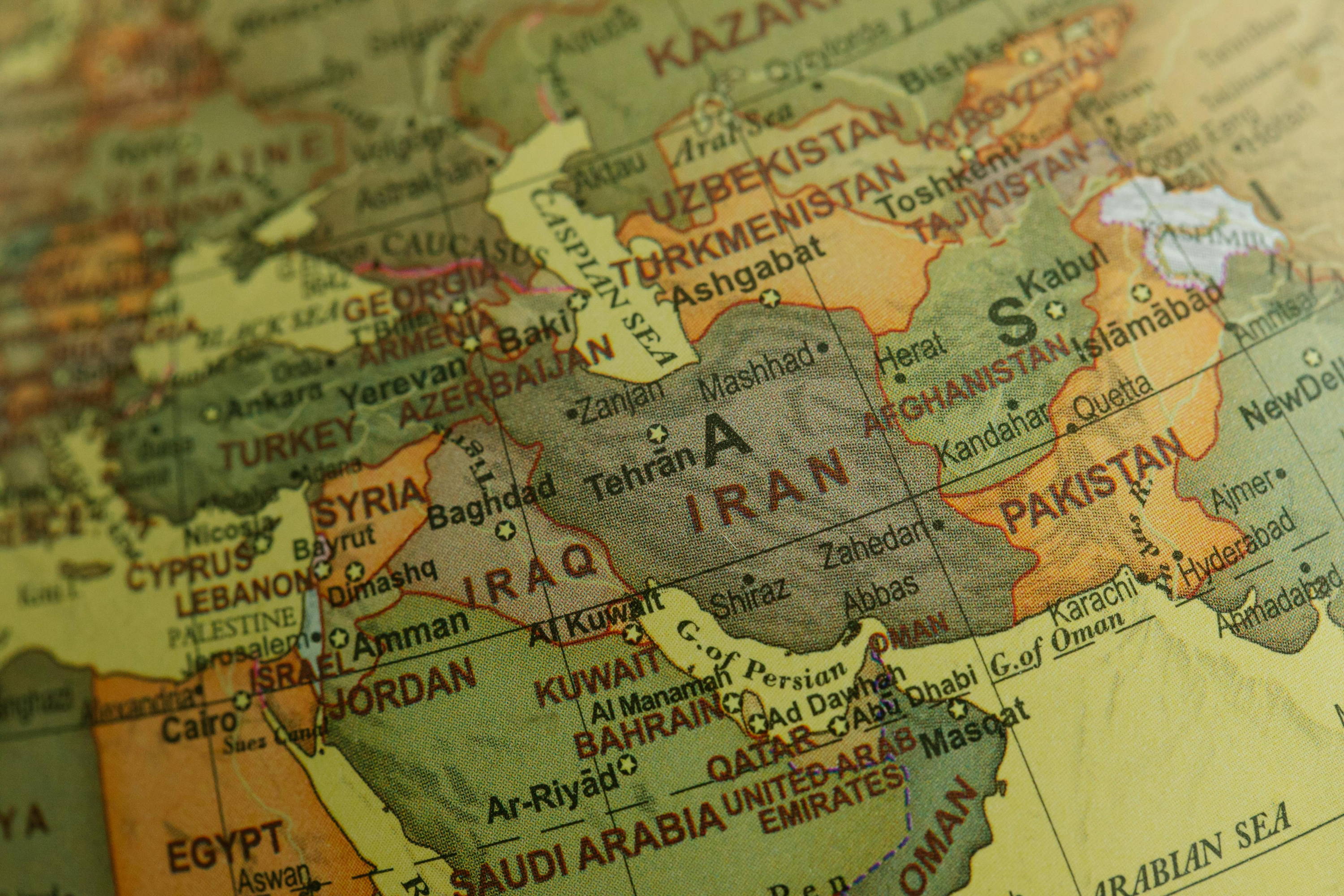
The ongoing conflict involving Iran is one of those moments that serves as a reminder. Not because of politics or taking sides, but because of how global systems are tied together. From shipping routes to distribution networks, even localized instability can create broader ripple effects.
For those focused on preparedness, this isn’t about reacting to headlines. It’s about understanding how disruptions happen—and being ready for them in a practical, level-headed way.
The Reality of a Connected Supply Chain
Most of the products we rely on every day follow a long and complex journey before they reach store shelves. Raw materials are sourced in one region, processed in another, and transported across oceans before being distributed domestically.
When conflict impacts key regions involved in global trade, that flow can slow down. Ships may be rerouted. Ports can become congested. Additional security measures can delay movement. None of this stops the system entirely—but it does make it less predictable.
And when predictability decreases, consistency often follows.
This doesn’t always show up as immediate or widespread shortages. More often, it looks like uneven availability. Certain items may take longer to restock. Deliveries may not arrive on their usual schedule. What’s available one week might not be the next.
It’s a subtle shift—but one that becomes noticeable over time.
Disruptions Tend to Build, Not Happen All at Once
One of the most important things to understand about supply chain disruptions is that they rarely happen overnight. Instead, they build gradually.
A delay in one part of the world can create a backlog somewhere else. That backlog can then impact distribution timelines, which eventually affects what makes it to shelves. By the time it reaches consumers, the disruption has already worked its way through multiple layers of the system.
We’ve seen this pattern before. In recent years, supply chain slowdowns didn’t always start with empty shelves—they started with delays, gaps, and inconsistencies.
That’s often the earliest signal that something has changed.
Preparedness Is About Reducing Dependence on Timing
In a system that depends heavily on timing, even small disruptions can create friction. That’s why preparedness isn’t about anticipating a worst-case scenario—it’s about reducing how much you rely on everything working perfectly, all the time.
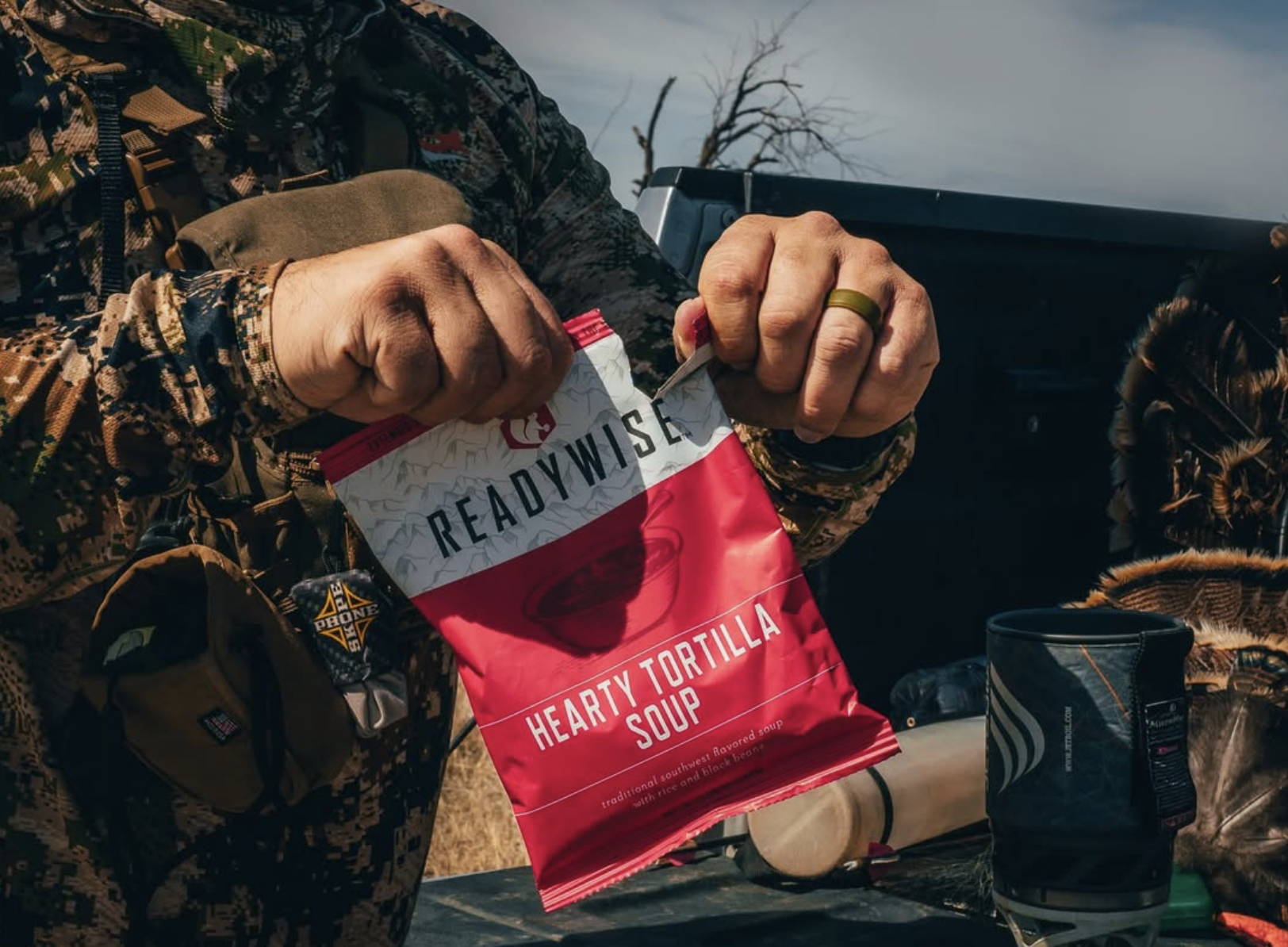
Having a reliable supply of shelf-stable food at home creates a buffer. It allows you to navigate periods where availability is inconsistent without needing to adjust your routine or make last-minute decisions.
It also gives you flexibility. Instead of reacting to what’s available in the moment, you’re able to operate on your own terms.
Related Articles


A Practical Way to Prepare
Global events will always carry a level of uncertainty, and while the details may change, the pattern remains the same—disruptions can happen, and they don’t always arrive all at once.
Preparedness isn’t about trying to predict what’s next. It’s about creating stability in your own environment, regardless of what’s happening elsewhere. By taking simple, intentional steps now, you give yourself more control, more flexibility, and more peace of mind.At ReadyWise, we believe that confidence comes from being prepared—not because something will happen, but because you’re ready if it does.
Products We Recommend
What Are People Saying?
Check out reviews from customers just like you!
" Those of us who did eat loved the meals and are very thankful of those great meals. I just wanted to thank you for creating great food."

Scott S.
" I'll probably order some more for little emergencies like when I don't feel like shopping and want to eat something now. "

David P.
" The taste of the food is very good. I'd eat it every day of the week but I'm saving it in hopes of never needing it. "

Michelle E.
" Very pleased with this company. Great prices and quality service. I would recommend this company to my friends. "

Cheryl B.
Are You Ready?
Is your family prepared for the next unplanned emergency? Are you ready for your next outdoor adventure? Do you have a way to fix up a quick dinner after your busy day?
ReadyWise provides you with all the necessary long-term food storage and freeze-dried food required for any situation.


