





Readywise News
Hurricane Lowell Hits Hawaii, Leaving Widespread Damage and Power Outages
Hurricane Lowell brought damaging winds, heavy rain, high surf and widespread power outages to Hawaii this week, demonstrating how quickly a major storm can disrupt communities—even when the center of the hurricane remains offshore.
Lowell passed west of Kauai and Niihau early Tuesday, September 8, after approaching the Hawaiian Islands as a major hurricane. Although the storm did not make direct landfall, its effects were significant, particularly on Kauai, where strong winds and heavy rainfall caused widespread damage.
More than 36,000 customers—approximately 90% of Kauai Island Utility Cooperative customers—were without power Tuesday morning. Downed trees, debris, flooding and damage to roads and infrastructure were reported across the island.
The storm also affected Oahu and other Hawaiian islands, with dangerous surf, heavy rainfall and strong winds creating additional hazards. Officials urged residents to remain off the roads while emergency crews assessed damage and worked to restore essential services.
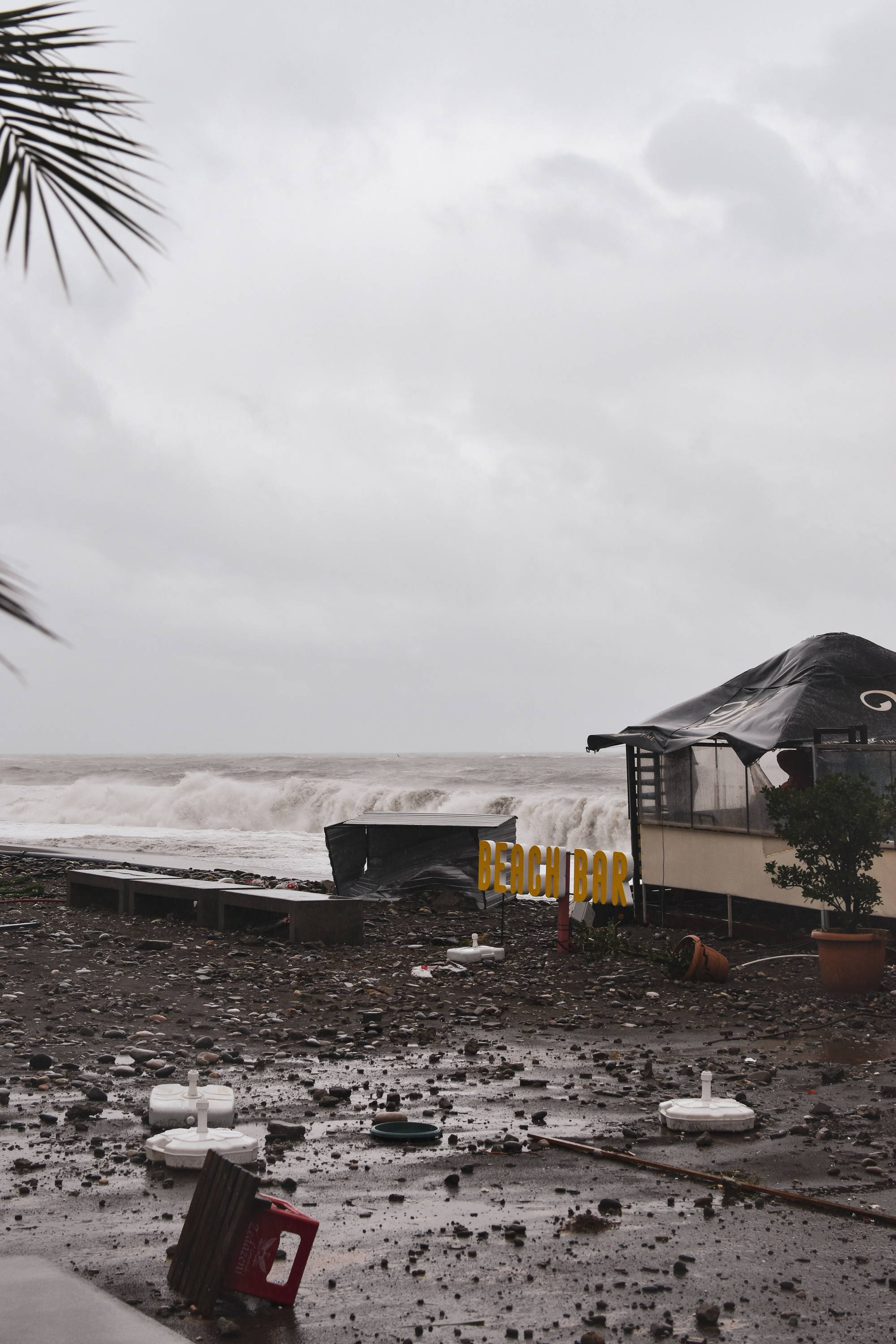
The effects of a hurricane can continue long after the storm's center has moved away. Cleanup, power restoration and damage assessments can take days, while saturated ground and weakened trees can create additional hazards following periods of heavy rainfall and strong winds.
For residents, the aftermath can also create challenges that are less visible than the initial storm. Refrigerated food can spoil during prolonged outages, communication can become more difficult when devices cannot be charged, and residents may have limited access to businesses or essential services while roads and infrastructure are being restored.
Hurricane Lowell shows why a direct hit isn't required for major impacts
One of the most important takeaways from Hurricane Lowell is that a hurricane does not have to make landfall to create serious problems.
Before the storm arrived, Kauai officials urged residents to prepare for the possibility of strong winds, flooding and other hazards. Residents were encouraged to secure property, fill gas tanks, charge devices and make sure they had enough food, water and emergency supplies. That preparation became especially important as conditions deteriorated.
After Lowell passed, widespread power outages and blocked roads made it more difficult for residents to access normal services and supplies. The county advised residents to stay indoors and allow emergency crews time to clear debris and assess damage. For households, situations like this highlight an important part of emergency preparedness: the most important supplies are the ones you already have when an emergency begins.

Related Articles





Hurricane Lowell's impact on Hawaii offers several practical preparedness lessons:
1. Keep emergency food on hand.
A supply of shelf-stable food can become especially valuable when stores are closed, roads are blocked or power is unavailable.
2. Prepare for power outages.
Keep flashlights, batteries, portable chargers and other essential supplies in an accessible location.
3. Keep water available.
Emergency preparedness should include enough water for your household's needs during an extended disruption.
4. Know your local emergency plans.
Understand evacuation routes, shelter locations and how your local emergency management agency communicates warnings.
5. Don't wait for the storm to arrive.
The safest time to prepare is before conditions deteriorate.
Preparing for the Future:
This initiative is a powerful reminder that in an unpredictable world, being prepared is essential. While citizens may hope for peace and stability, the reality is that crises—both man-made and natural—can strike at any moment. As these encourages its citizens to prepare, this serves as a timely call for individuals around the world to assess their own level of preparedness.
At ReadyWise, we believe that preparedness is a personal responsibility. Whether you're considering emergency food storage, shelter supplies, or other vital resources, taking the time now to plan for the worst-case scenario will provide you with the peace of mind to face whatever challenges the future may bring.
In a world where the risks are growing, it’s never too late to start preparing. Take proactive steps today to ensure your family’s safety and resilience in the face of uncertainty. The sooner you start, the better prepared you’ll be for whatever lies ahead.
Food Storage:
Having a reliable food supply is critical during emergencies. That's why we offer emergency food buckets that provide long-lasting, nutritious meals requiring only water to prepare. With up to a 25-year shelf life, our food ensures you're prepared for the long haul, no matter what comes your way. We take pride in offering great variety in our meal options, so you're not just surviving but eating well. Our meals are easy to prepare, making them an essential part of any emergency plan. Plus, with affordable options for every family, we're here to make sure you’re always ready.
Safety and Shelter:
Your safety is our priority, which is why we emphasize the importance of basic safety measures like smoke detectors, fire extinguishers, and emergency blankets in your home. If evacuation becomes necessary, having a plan and a grab and go-bag ready with essential items like clothing, toiletries, and important documents is crucial. We're here to support you in creating a safe and secure environment for your family, no matter what the situation.
Products We Recommend
What Are People Saying?
Check out reviews from customers just like you!
" Those of us who did eat loved the meals and are very thankful of those great meals. I just wanted to thank you for creating great food."

Scott S.
" I'll probably order some more for little emergencies like when I don't feel like shopping and want to eat something now. "

David P.
" The taste of the food is very good. I'd eat it every day of the week but I'm saving it in hopes of never needing it. "

Michelle E.
" Very pleased with this company. Great prices and quality service. I would recommend this company to my friends. "

Cheryl B.
Are You Ready?
Is your family prepared for the next unplanned emergency? Are you ready for your next outdoor adventure? Do you have a way to fix up a quick dinner after your busy day?
ReadyWise provides you with all the necessary long-term food storage and freeze-dried food required for any situation.

10 Best Dog Breeds for Outdoor Enthusiasts
Whether a sledding enthusiast, avid hiker, or experienced angler, there is an adventure-seeking dog out there for everyone. However, not...

To Survive a Tornado, Get Low
Tornadoes, derechos, sandstorms… whatever type of wind event is headed your way, it can be extremely dangerous to be caught...
Disaster Responders Prepare To Take On Tornado Season
Over the past 11 years, Team Rubicon has responded to more than 100 tornadoes. Unpredictable in nature, violent in action...


