





Rising Fuel Costs and Freight Disruptions: What Consumers Should Know
The cost of moving goods across the country is closely tied to the cost of fuel. As diesel prices rise, transportation companies, farmers, manufacturers and retailers can all face higher operating costs—and those increases can eventually affect the broader supply chain.
In September 2026, diesel prices reached historically high levels in the United States. According to the U.S. Energy Information Administration, the national average retail price for on-highway diesel reached $6.285 per gallon for the week of September 14, up substantially from earlier this year.
Why diesel prices matter to the supply chain
Trucks play an important role in moving food, household goods and other products between farms, manufacturers, distribution centers, stores and consumers. Higher fuel prices increase the cost of operating those trucks.
The effects can extend beyond trucking. Recent industry data shows freight rates have been rising alongside higher diesel costs and tighter trucking capacity. ACT Research reported that U.S. contract truckload rates were up 18% year over year in August, while other freight data has also shown upward pressure on transportation costs.
Some shippers are already responding by looking for alternatives. Union Pacific recently reported that higher diesel prices were contributing to some freight shifting from trucks to rail, where fuel efficiency can make transportation more economical for certain types of shipments.
What about the growing discussion around a trucker strike?
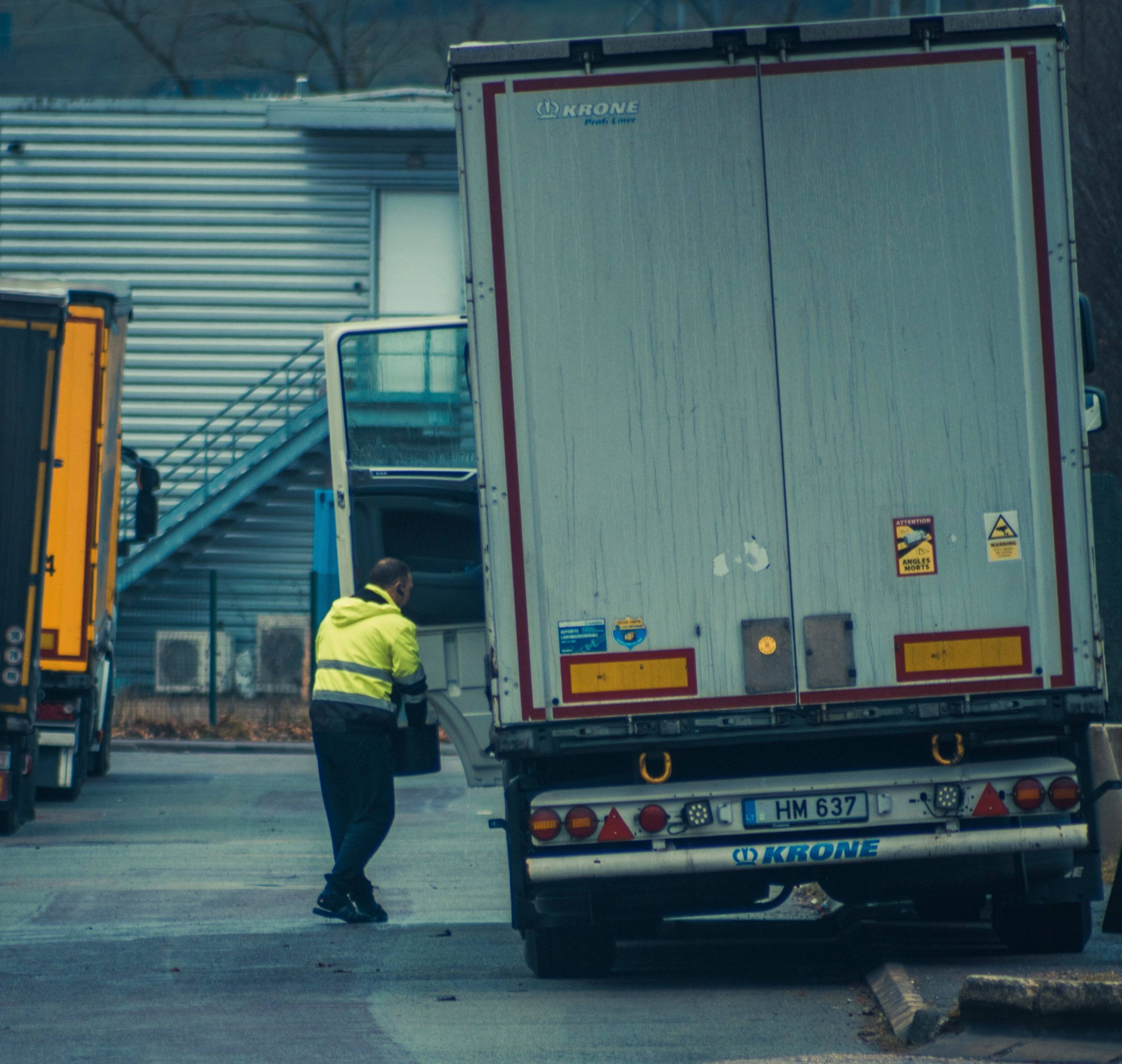
Reports of a possible trucker strike have been circulating widely in recent days, with social media posts pointing to October 1 as a potential date for drivers to stop operating in response to record-high diesel prices. While there is not currently evidence of a coordinated nationwide strike, the discussion reflects a very real concern within the trucking industry: the rapidly increasing cost of keeping trucks on the road.
Diesel prices have climbed to record levels, putting additional pressure on independent drivers and transportation companies that rely heavily on fuel. Some reports have also noted that extremely high fuel costs are causing individual operators to reconsider whether certain loads are economically viable.
The potential for disruption is one reason transportation officials are already taking steps to keep fuel moving. On September 16, the Federal Motor Carrier Safety Administration issued a temporary waiver allowing qualifying drivers transporting gasoline and diesel to have additional hours-of-service flexibility through December 16. The agency cited global supply disruptions, anticipated seasonal demand and concerns about the cost and availability of fuel.
For consumers, the important takeaway is not that a nationwide trucker strike is guaranteed. It is that the transportation system is operating under unusual cost pressures, and even smaller disruptions can take time to work through a supply chain that depends heavily on trucking. Higher fuel costs, reduced carrier capacity or localized interruptions can all contribute to higher transportation costs and longer delivery times.
Related Articles





Why preparedness can help
Supply chains are designed to keep products moving, but disruptions can happen for many reasons, including severe weather, transportation delays, fuel shortages, labor disruptions or unexpected increases in demand.
For households, preparedness does not have to mean panic buying or stockpiling everything at once. Keeping a reasonable supply of everyday necessities on hand can simply provide flexibility when prices rise or a product takes longer than usual to reach a store.
Shelf-stable foods are one practical part of that approach. Having foods that can be stored for an extended period and prepared when needed can give households another option during temporary transportation or supply disruptions.
The goal isn't to predict what will happen next. It's simply to be prepared for the possibility that getting everyday goods from point A to point B may occasionally take more time or cost more than expected.
Stay informed. Stay prepared. And focus on practical steps that help your household stay flexible when circumstances change.
Products We Recommend
What Are People Saying?
Check out reviews from customers just like you!
" Those of us who did eat loved the meals and are very thankful of those great meals. I just wanted to thank you for creating great food."

Scott S.
" I'll probably order some more for little emergencies like when I don't feel like shopping and want to eat something now. "

David P.
" The taste of the food is very good. I'd eat it every day of the week but I'm saving it in hopes of never needing it. "

Michelle E.
" Very pleased with this company. Great prices and quality service. I would recommend this company to my friends. "

Cheryl B.
Are You Ready?
Is your family prepared for the next unplanned emergency? Are you ready for your next outdoor adventure? Do you have a way to fix up a quick dinner after your busy day?
ReadyWise provides you with all the necessary long-term food storage and freeze-dried food required for any situation.

10 Best Dog Breeds for Outdoor Enthusiasts
Whether a sledding enthusiast, avid hiker, or experienced angler, there is an adventure-seeking dog out there for everyone. However, not...

To Survive a Tornado, Get Low
Tornadoes, derechos, sandstorms… whatever type of wind event is headed your way, it can be extremely dangerous to be caught...

Disaster Responders Prepare To Take On Tornado Season
Over the past 11 years, Team Rubicon has responded to more than 100 tornadoes. Unpredictable in nature, violent in action...


