





Recent Cyberattacks on French & U.S. Supermarkets Highlight the Importance of Shelf-Stable Food
October 15, 2026
Grocery stores depend on more than stocked shelves. Refrigeration systems help preserve perishable foods, while digital platforms allow customers to order groceries and arrange deliveries. When those systems are disrupted, the effects can reach consumers through damaged inventory, unavailable products and interrupted shopping routines. Recent incidents involving French supermarkets and major U.S. grocery chains highlight why maintaining a backup supply of shelf-stable food can be a practical part of household preparedness.
A cyberattack affecting French supermarkets has highlighted how disruptions to grocery infrastructure can affect consumers, from damaged food supplies to unexpected changes in shopping routines. When refrigeration systems are compromised, perishable products can spoil, retailers face costly losses, and shoppers may find fewer options for essential groceries. A separate cybersecurity incident affecting major U.S. grocery chains has also disrupted online shopping services, demonstrating how technology problems can interfere with everyday food access.
Although the incidents are unrelated, they raise an important question for households: What happens when the systems we depend on to store, purchase and receive food are temporarily unavailable? Building a supply of shelf-stable emergency food is one practical way to maintain options when normal grocery routines are disrupted.
French Cyberattack Disrupts Supermarket Food Supplies
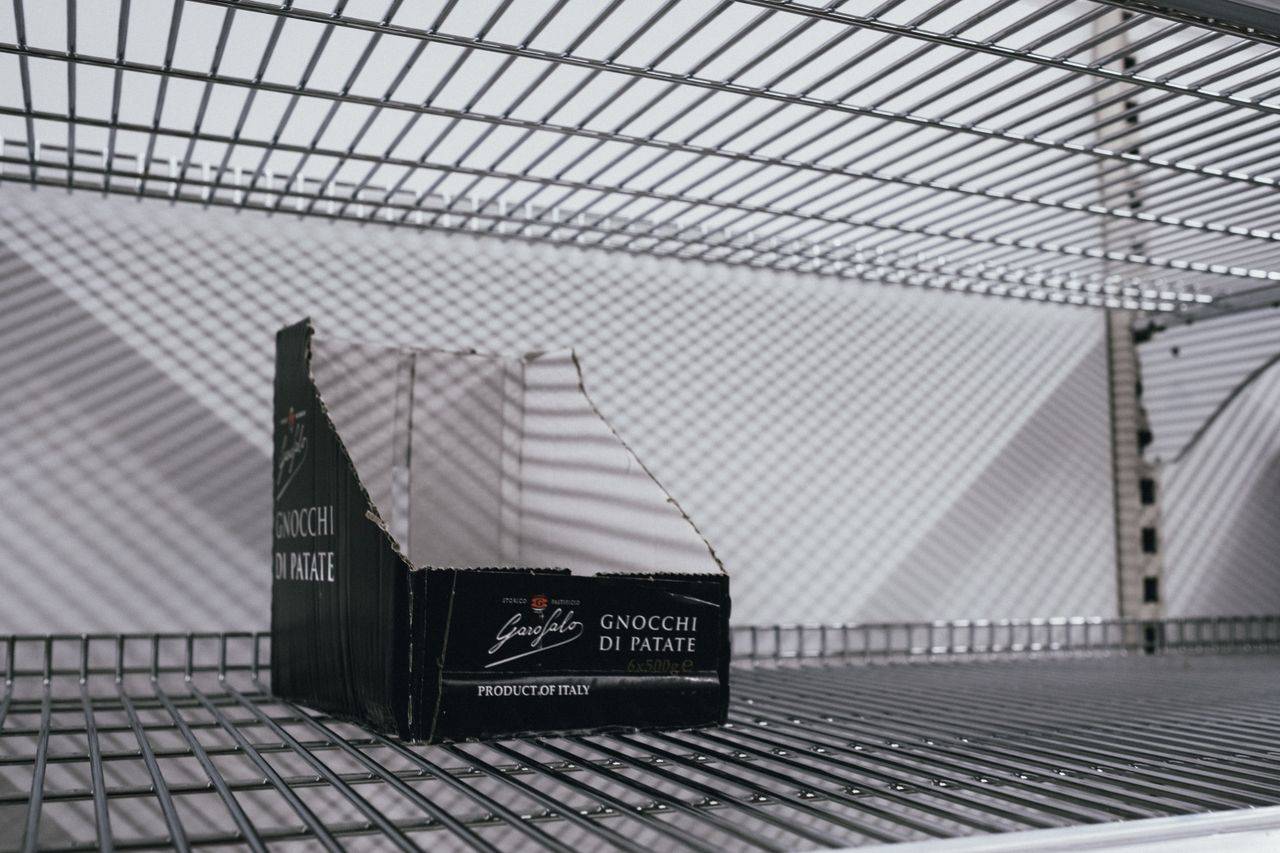
According to CNN and CNBC, a cyberattack affected approximately 700 supermarkets in France, including locations operated by Carrefour, Intermarché and Monoprix. Hackers reportedly manipulated connected refrigeration systems, triggering defrost cycles that caused temperatures to rise dramatically. Some units reportedly reached 122 degrees Fahrenheit, damaging perishable inventory and contributing to reported fires. Intermarché's leadership estimated that losses could reach tens of millions of euros in a single day.
The French cyberattack illustrates how a digital security incident can have physical consequences for food retailers. Refrigeration is essential to preserving products such as meat, dairy, seafood and frozen foods. When equipment cannot maintain appropriate temperatures, stores may need to assess inventory, discard compromised products and repair equipment before normal operations can resume.
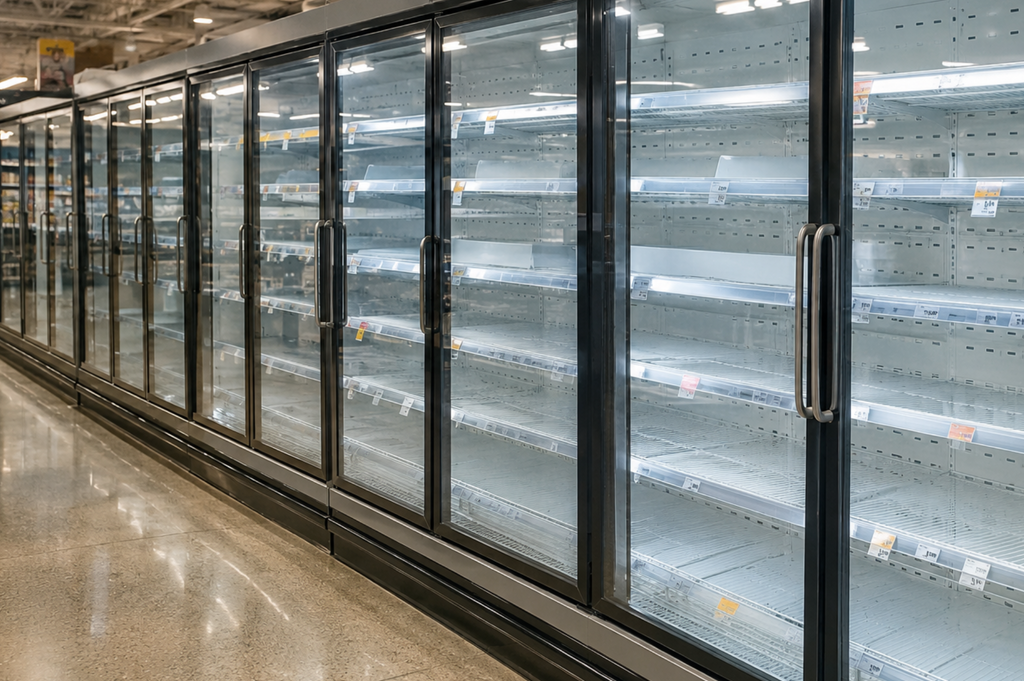
For consumers, these disruptions can mean more than temporary inconvenience. Shoppers may encounter limited selections of refrigerated and frozen foods, make additional trips to find alternatives or face unexpected expenses replacing groceries. Depending on the scope and duration of an incident, retailers may also need time to replenish inventory and restore normal product availability.
U.S. Grocery Cybersecurity Issues Disrupt Online Grocery Services

Why Shelf-Stable Emergency Food Matters
Cyberattacks are only one potential source of disruption. Severe weather, power outages, transportation delays and equipment failures can also interfere with food storage or grocery access. When electricity is unavailable, refrigerated and frozen foods may become a safety concern if they cannot be kept at appropriate temperatures. When travel or delivery services are disrupted, even a well-stocked grocery store may be harder to reach.
Shelf-stable emergency food offers a practical way to reduce dependence on continuous refrigeration and immediate grocery access. Properly packaged and stored shelf-stable foods can remain available without a refrigerator or freezer, making them a useful component of a household emergency food supply. Canned goods, dry staples and freeze-dried meals can all help families maintain a reserve for unexpected situations.
A digital disruption doesn't have to become a household food disruption. While shelf-stable food cannot prevent a cyberattack or solve every supply-chain problem, it gives households another source of meals when shopping routines are interrupted. It can also reduce reliance on frozen inventory that depends on continuous refrigeration.
Preparedness does not require assuming the worst. Instead, it means considering everyday dependencies and making reasonable plans for temporary interruptions. Keeping emergency food storage at home can help families manage unexpected delays, power outages and severe weather with greater flexibility.
Related Articles
ReadyWise Shelf-Stable Food for Long-Term Preparedness
ReadyWise shelf stable food offers households a convenient option for building a longer-term emergency food supply. ReadyWise freeze-dried meals are designed for extended storage and can be kept on hand without taking up freezer space. When stored according to product instructions, they provide an additional source of meals during power outages, severe weather and disruptions to normal grocery shopping.
For families building an emergency food supply, long-term food storage can complement everyday pantry staples and regularly purchased groceries. A combination of canned foods, dry ingredients and ReadyWise emergency food can provide different meal options while helping households prepare for a range of circumstances.
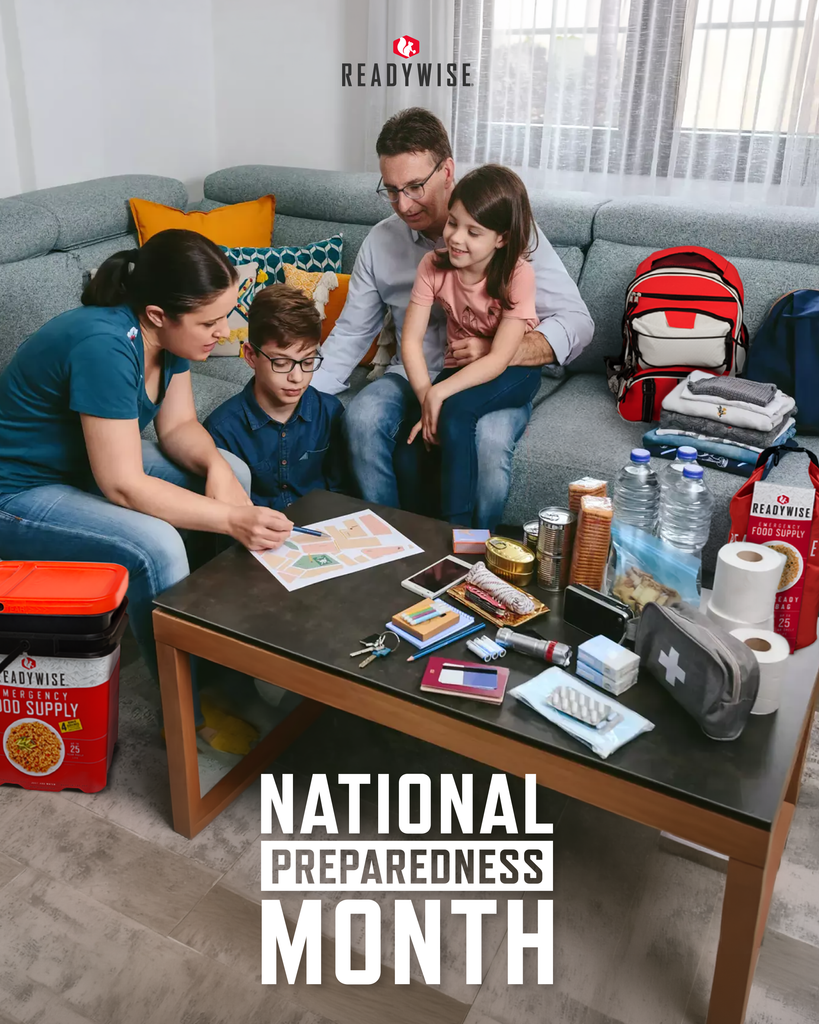
Getting started can be straightforward. Consider how many people your supply needs to support, how long you want it to last and whether you have sufficient drinking water and suitable meal preparation equipment. Review serving counts, preparation instructions and storage requirements before choosing products, and build your supply gradually to fit your household's needs and budget.
ReadyWise emergency food products can help households maintain a reserve without relying exclusively on refrigerated or frozen meals. The goal is not to replace regular grocery shopping, but to have dependable alternatives available when shopping becomes difficult or everyday systems experience interruptions.
Take a Practical Step Toward Food Security
The recent French cyberattack and separate U.S. grocery service disruptions are reminders that modern food access depends on systems that can occasionally fail. These events do not mean a food shortage is imminent, but they demonstrate why household preparedness can include more than flashlights, batteries and weather supplies.
Maintaining shelf-stable emergency food is one practical step toward greater food security. By keeping meals properly stored, planning for water and preparation needs, and maintaining a supply that fits your household, you can reduce dependence on immediate grocery access when unexpected disruptions change your plans.
Your freezer needs the grid. Your food security shouldn't.
Explore ReadyWise long-term food storage and emergency food solutions to start building a shelf-stable food supply you can count on when it matters.
Products We Recommend
What Are People Saying?
Check out reviews from customers just like you!
" Those of us who did eat loved the meals and are very thankful of those great meals. I just wanted to thank you for creating great food."

Scott S.
" I'll probably order some more for little emergencies like when I don't feel like shopping and want to eat something now. "

David P.
" The taste of the food is very good. I'd eat it every day of the week but I'm saving it in hopes of never needing it. "

Michelle E.
" Very pleased with this company. Great prices and quality service. I would recommend this company to my friends. "

Cheryl B.
Are You Ready?
Is your family prepared for the next unplanned emergency? Are you ready for your next outdoor adventure? Do you have a way to fix up a quick dinner after your busy day?
ReadyWise provides you with all the necessary long-term food storage and freeze-dried food required for any situation.

10 Best Dog Breeds for Outdoor Enthusiasts
Whether a sledding enthusiast, avid hiker, or experienced angler, there is an adventure-seeking dog out there for everyone. However, not...

To Survive a Tornado, Get Low
Tornadoes, derechos, sandstorms… whatever type of wind event is headed your way, it can be extremely dangerous to be caught...
Disaster Responders Prepare To Take On Tornado Season
Over the past 11 years, Team Rubicon has responded to more than 100 tornadoes. Unpredictable in nature, violent in action...


